How Alkaimi changes the world
Alkaimi splits the traditional bank model into two aspects, then splits the second again
For a licensed retail banking operation, Alkaimi™ splits the current banking model into the model’s two aspects, the creation of money and the management of liquidity. Then Alkaimi removes the first from the retail banking space. Alkaimi then splits the second aspect again: currency management, which the bank does under the bank’s central bank, and the introduction of liquidity, which the bank does through recognized assets rented to the bank under the holder’s own agreement. A licensed bank on the ring stops creating money and takes up those two businesses. The licensed regional retail bank also makes the DTA™ holders in the holding accounts the bank manages available for investment solicitation, so that a book to be funded can find the holders who choose to invest.
For an unlicensed bank, a central bank tied retail bank, the same split establishes an opportunity and creates the incentive. The unlicensed bank enters a correspondent relationship with an Alkaimi licensed regional retail bank, in joint venture, at the consumer level. Through that relationship the unlicensed bank reaches rented DTAs as collateral, which cost less than any deposit the bank could gather and place no liability on the bank’s books beyond the rent agreement. The unlicensed bank does not issue DTAs and does not settle in the walled garden; the unlicensed bank shares in the profit on each book the joint venture funds, and earns on managing debt accounts, managing currency accounts, and currency exchange. The unlicensed bank’s own new money runs off as the bank’s old loans repay, and the bank arrives at the 100% Whole Reserve™ model on the bank’s own timetable, because the move pays.
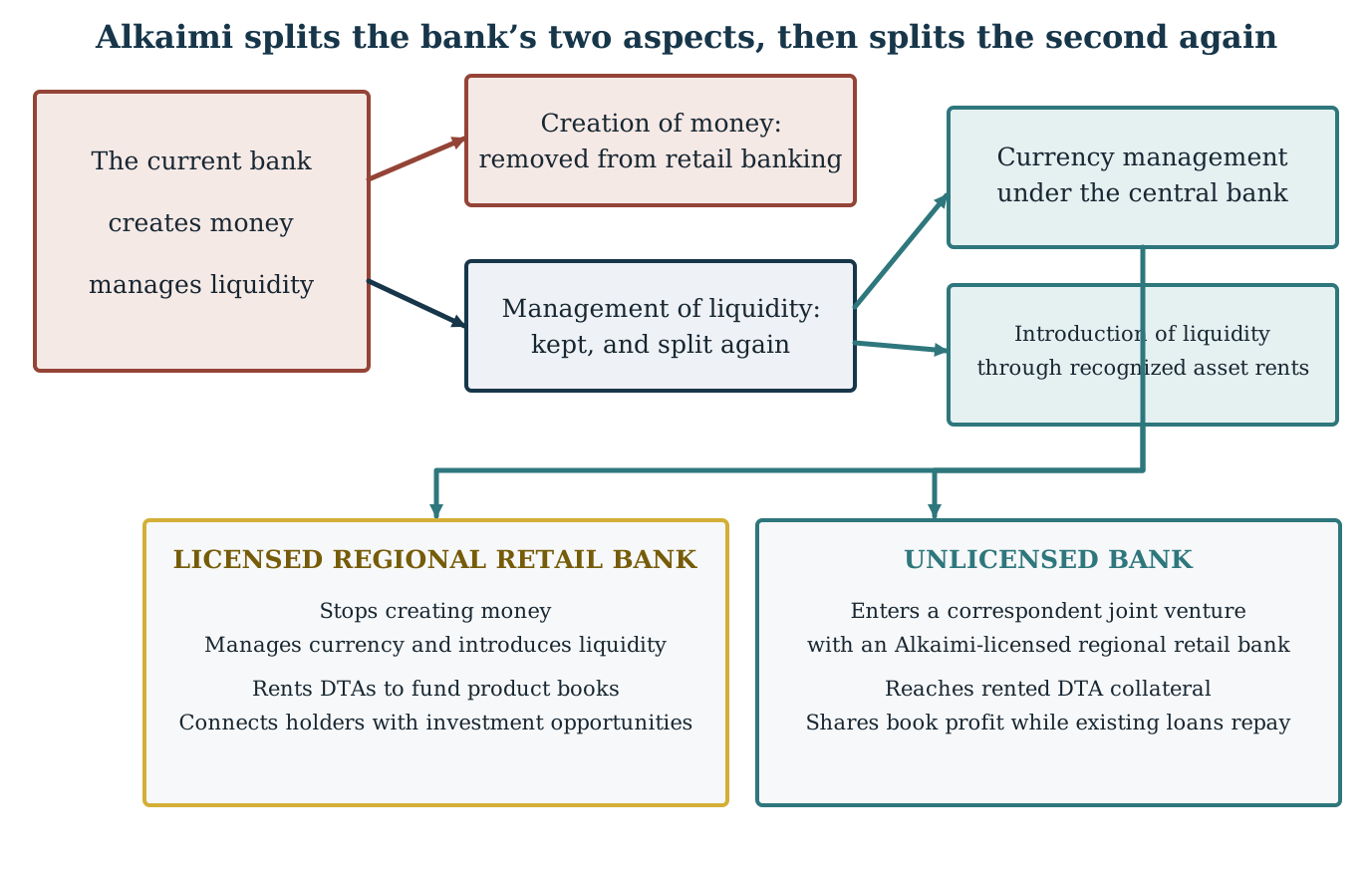
Figure 15. The two-aspect split, and the licensed and unlicensed paths beneath the split.
The rent agreement and the book
A product book exists only when a DTA holder chooses to invest. The licensed regional retail bank makes the DTA holders in the holding accounts the bank manages available for investment solicitation: a renting bank presents a book to be funded, and a DTA holder who chooses to invest rents DTAs to that bank under a rent agreement, the holder’s investment agreement, for a term. The rented DTAs move to the renting bank’s custodial rental account, and the renting bank pledges the rented DTAs at the bank’s central bank as Level 1 collateral. Against that pledge the central bank advances currency, below the value of the pledge, and the advance funds the book.
The book is not the bank’s asset and the advance is not the bank’s debt. The book is a separate pool of loans, newly created and funded by the central bank’s advance. The central bank’s claim runs against the book’s loans and against the pledged DTAs, not against the bank. The bank’s books carry the rent agreement and the bank’s role as manager of the book, nothing more. The bank writes the loans from the advance on the book’s behalf, services the loans, and administers the book for the term.
Income on the book is paid monthly in a fixed order: the central bank’s charge on the advance, the book’s costs, a loss provision, then the profit, split between the DTA holder, as the stipend, and the renting bank, on the shares the rent agreement sets, with the licensee sharing where the book is a joint venture. The book’s income retires the advance over the term, and the rented DTAs return whole to the holder at the end of the term. The loan is funded first and written second, and no deposit is created at any step. The rent agreement is written to the term of the book, so the funding and the loans run the same length by contract, and the book is sized by the value holders choose to rent rather than by the deposits a bank can gather in the bank’s own market. The same walk holds for every product book on the shelf: cards, mortgages, auto, equipment, commercial term, receivables, and trade finance, where a bank with no deposit base in the contract’s currency can still manage a book, because the advance is drawn against recognized value.
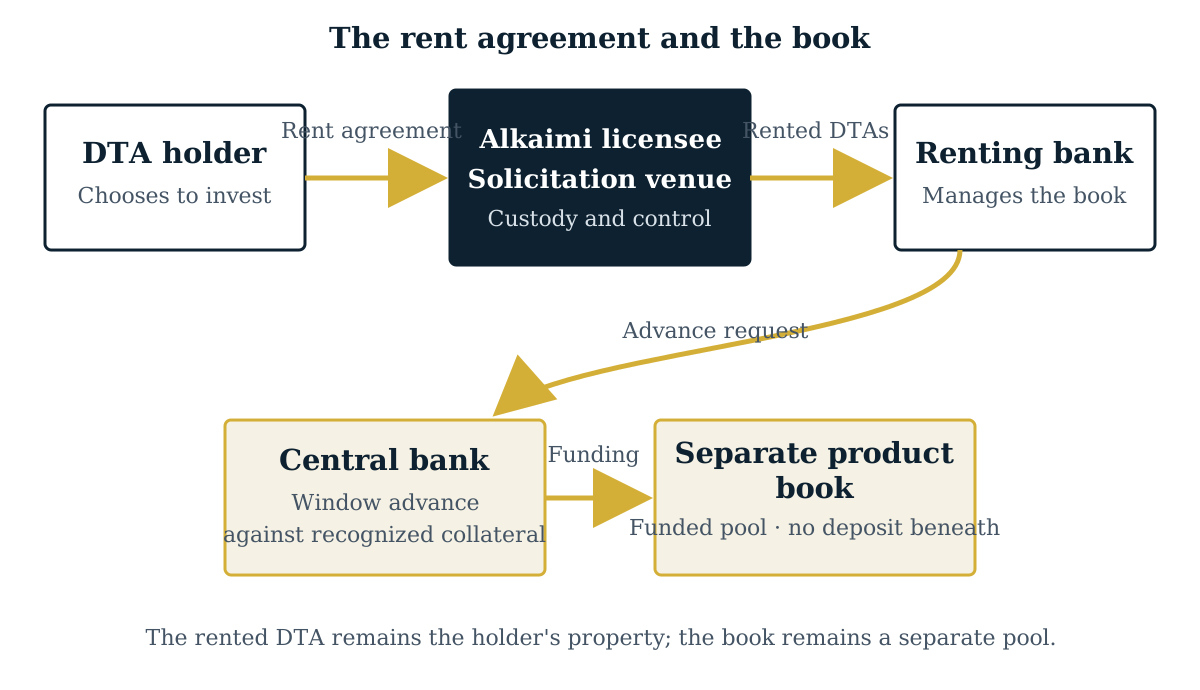
Figure 16. The rent agreement and the book: the holder, the licensee as the venue for solicitation, the renting bank, the central bank’s advance, and the book as a separate pool.
| Per dollar of book, percent per year | Created deposit | Window advance against rented DTAs |
|---|---|---|
| Coupon or window rate | 2.40 | 3.75 (primary credit rate, 2 September 2026) |
| Deposit insurance assessment | 0.10 | 0.00 |
| Liquidity buffer cost | 0.15 | 0.00 |
| Deposit-gathering cost | 1.50 | 0.00 |
| All-in cost | 4.15 | 3.75 |
| Card book at 22.15 percent, margin before losses | 18.00 | 18.40 |
| Mortgage book at 6.71 percent (3 September 2026), margin before losses | 2.56 | 2.96 |
| Difference, every year of the term | 0.40 points; 12.0 points of principal over a 30-year term |
Table 5. All-in cost of one dollar of funding and the margin on two books. The window column is the book’s cost line, not the bank’s. Sources: Federal Reserve H.15, 2 September 2026; Freddie Mac PMMS, 3 September 2026; FDIC assessment schedule; stated assumptions for the buffer and gathering costs.
A nation as the investor: income from the assets, and stimulus without the liabilities
A nation can be the investor. A treasury’s DTAs sit in the treasury’s client DTA holding account at a licensee, and the treasury is a DTA holder like any other. The treasury can rent DTAs to a renting bank under a rent agreement, earn the stipend for the term, and take the DTAs back whole. The state sells nothing, borrows nothing, and issues no bond; the state’s recognized assets earn while the state still owns the assets. And the books the treasury’s DTAs fund are new lending inside the nation’s own economy, cards, mortgages, equipment, commercial term, trade finance, written from a central bank advance and not from created money. That is stimulus without the liabilities of the fractional reserve system: no deposit created, so no run can form, no guarantee owed by the state, and the return on the funding paid to the treasury that owns the value rather than to a bank that manufactured a promise.
The profit is worked per dollar of advance on the ruled figures, with the split held at one half to each side because the stipend share is not yet ruled. On a card book yielding 22.15 percent, the window rate of 3.75 percent leaves 18.40 points before losses, and charge-offs of 4.00 percent leave 14.40 points before book costs; at one half each, the treasury earns 7.20 and the renting bank 7.20 per dollar of advance per year. On a mortgage book at 6.71 percent the window rate leaves 2.96 points before losses and costs; at one half each, 1.48 to each side. Behind a 10 billion dollar card advance the treasury earns about 720 million dollars a year and the renting bank the same; behind a 10 billion dollar mortgage advance, about 148 million dollars a year to each side before losses and costs. The treasury’s alternative return on the same recognized asset is zero, because an asset in the ground earns nothing until the asset is sold or pledged.
| Per dollar of advance, percent per year | Card book | Mortgage book |
|---|---|---|
| Yield on the book | 22.15 | 6.71 (Freddie Mac, 3 September 2026) |
| Window rate (H.15, 2 September 2026) | 3.75 | 3.75 |
| Margin before losses | 18.40 | 2.96 |
| Charge-offs (ruled assumption) | 4.00 | not applied |
| Margin after losses, before book costs | 14.40 | 2.96 |
| DTA holder (the treasury), one half, pending ruling | 7.20 | 1.48 |
| Renting bank, one half, pending ruling | 7.20 | 1.48 |
| On a 10 billion dollar advance, per year, each side | 720 million dollars | 148 million dollars |
Table 6. Income to the DTA holder and the renting bank per dollar of advance, split held at one half pending the stipend ruling; book costs and servicing not yet applied. Sources: Federal Reserve H.15; Freddie Mac PMMS; the 7 September 2026 funding-cost ruling.
Figure 21. Income on a 10 billion dollar advance to the DTA holder and the renting bank, card book and mortgage book, split held at one half pending ruling.
Whole reserve retail banking unravels the bank’s new money liabilities
The Alkaimi model lets a licensed bank unravel the bank’s new money liabilities, because every loan the bank writes from rented DTAs is a loan that created no deposit, and every existing loan that repays destroys the deposit that created that loan. The bank’s stock of new money is the running total of loans written less loans repaid.
On the day the bank moves the bank’s product books to rented DTAs, the writing side of that total stops adding, and the repaying side keeps running: each existing loan that repays writes down the loan and the deposit together. So the bank’s unsecured promises run off with the old book, at the old book’s own pace, and no depositor is asked to leave.
What remains on the bank’s books is the currency the bank holds, the secured advance the central bank made against pledged DTAs, and the earned deposits customers bring; none of those is a promise the bank created against a loan. The bank’s liabilities shrink from promises to substance without a run, without a bail-in and without a state guarantee.
The 1933 Chicago Plan reached the same separation and lacked a source of liquidity once the private issue stopped; the rented DTA is that source. And the new money model is the losing way to fund a loan even where no government regulates against fractional reserve banking, because the created deposit costs more every year of the term and can be called on any day.
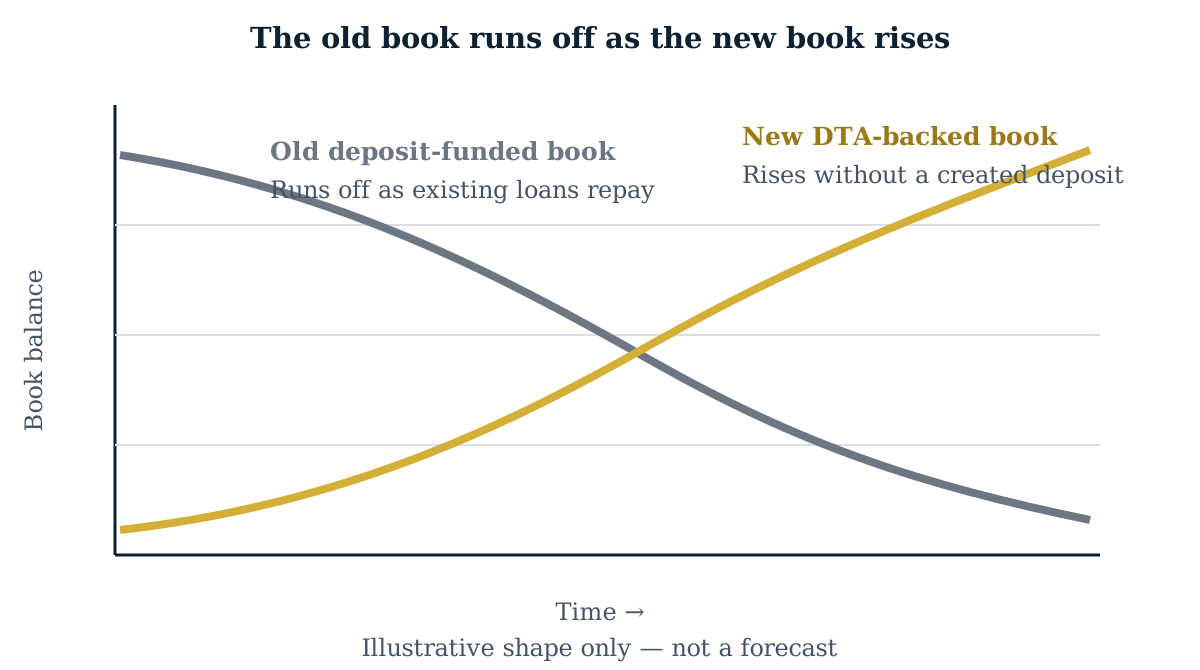
Figure 17. The old book running off and the new book rising with no deposit beneath. Illustrative shape, not a forecast.
Transmutation at the ring
A holder who wants currency for value asks a licensee. The holder’s DTA moves into the licensee’s ledger account segmented for transmutation and becomes a licensee DTA until the licensee releases the DTA back into the ledger; that movement is value, inside the garden. The licensee’s ring operations then pay the holder in the currency the holder chose, outside the wall. That is transmutation, the only event where value and currency meet, and the currency side of the event happens at the ring and nowhere else. Expression is different: a reading of a DTA in a currency at an instant, with no movement at all. Nothing on the ledger changes when currency is paid, and nothing on the ledger changes when that currency later rises or falls.
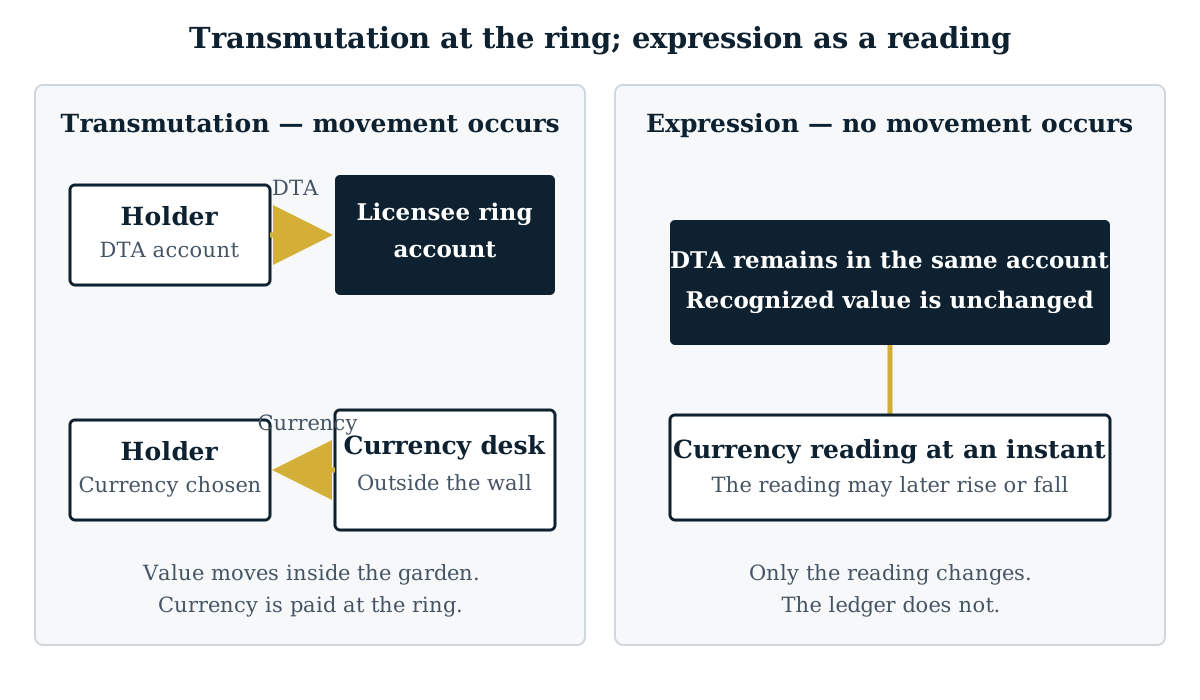
Figure 18. Transmutation at the ring; expression as a reading.
Exchange and continuing value
In the consumer phase a holder takes recognized value from a counterparty through the walled garden as payment for products, goods, services or assets, each side receiving equal value with no currency between the parties, executed by the licensee that keeps the payer’s account. The DTA received is settled on delivery and usable again the same day, while the asset behind the DTA never moves. That is exchange, and exchange is a licensee’s retail banking operation, which follows the wholesale phase.
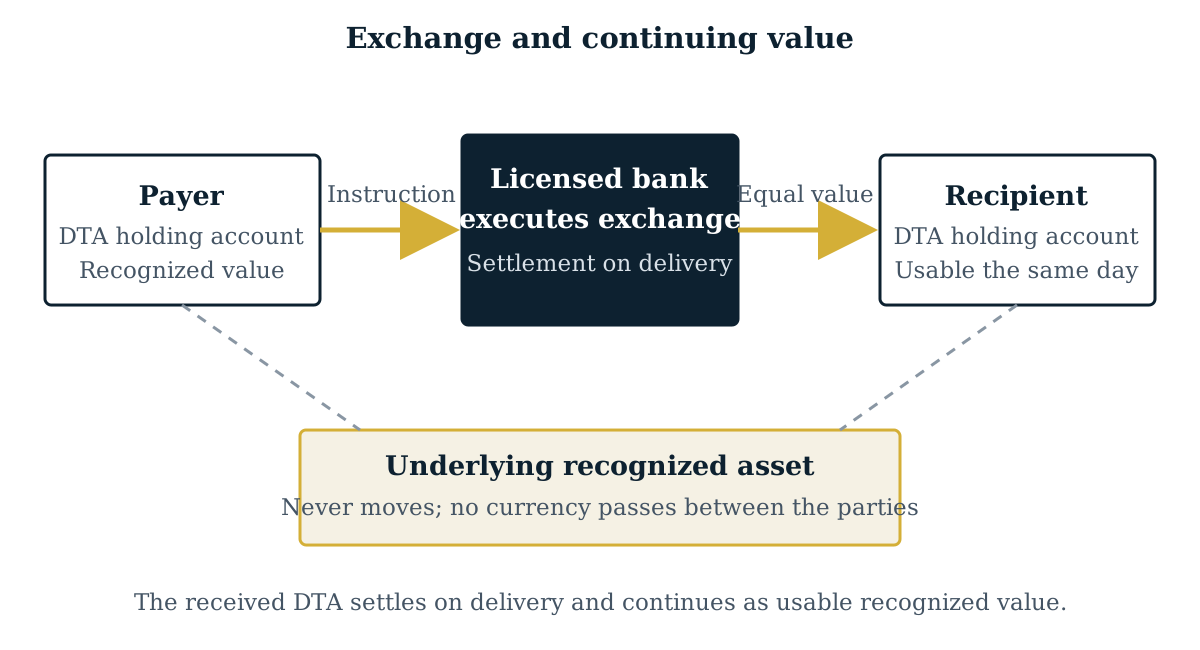
Figure 19. Exchange and continuing value.
What the model does for the state
The state remains the only party that issues currency. The state’s treasury holds recognized national assets as DTAs, from which the treasury draws liquidity without selling the asset, pledging the asset or issuing a bond. The nation takes on no foreign nation’s currency; the treasury’s DTAs cannot be frozen by any foreign nation; a falling commodity price does not reprice the DTAs the treasury holds; and demand and risk on the state’s sovereign wealth fall. The state also gains the endurance and insurance of neutrality: a rogue actor on the ledger meets a substantial penalty, a sanction activated by the rules and not by politics, and the same rule protects every nation’s holding from every other nation’s politics.
What the model does for the central bank
The central bank issues and manages the state’s currency, runs the settlement system in that currency, and advances currency against pledged DTAs at the ring. The central bank no longer stands behind money that banks create, because banks no longer create money. The central bank becomes a smaller institution with a clean mandate.
What the model does for the licensed bank
A licensed bank on the ring is paid for recognition, custody, settlement, transmutation and rental administration, is designed to fund every book from rented DTAs, carries no promise the bank created against a loan, and creates no deposit, so no run can form against the bank. The bank’s old book runs off on the old book’s own timetable.
What the model does for the business
A business inside the Alkaimi network settles a contract in the value the contract names, so the exchange loss between signing and settlement does not exist. The business draws working capital from held value under a rent agreement and earns a stipend on value the business still owns.
What the model does for the asset holder
An asset holder’s balance on the Alkaimi ledger holds the balance’s value units for as long as the DTA exists, is held as property rather than owed by a bank, so no run can reach it, and is not lent out behind the holder under the ledger’s rules. The holder takes currency only when the holder asks a licensee for currency. The consumer phase, in which paychecks and receipts move onto the Alkaimi ledger at a licensee, follows the wholesale phase.
How Alkaimi changes the world
Pressure comes off the central bank, because the central bank is a currency manager and not the guarantor of every bank. Bank lending stops creating unsecured money, because every loan is funded from recognized value. Wealth stays with the holder, because the return on the recognized asset reserve of DTAs is paid to the owners of that reserve. And settlement ends in substance, for the first time since 15 August 1971.
Part 4 sources
1. Federal Reserve Statistical Release H.15, primary credit rate, 2 September 2026.
2. Freddie Mac Primary Mortgage Market Survey, 30-year fixed rate, 3 September 2026.
3. Federal Deposit Insurance Corporation, assessment rate schedule; the 0.15 percent buffer cost, the 1.50 percent deposit-gathering cost and the 4.00 percent charge-off rate as stated assumptions.
4. Benes and Kumhof, The Chicago Plan Revisited, IMF Working Paper 12/202, 2012.
5. The Alkaimi record: the rent agreement, the custodial rental account, transmutation, exchange, and the fixed order of income.
The record, The Alkaimi Financial Ecosystem in Function: Granular Value on a Neutral Rail, carries the tests and the data behind them.
This page contains some forward-looking statements. Read Pegisai’s statement on forward-looking statements.